Introduction: The Evolution of Guilds in WoW
Guilds have always been a vital part of the World of Warcraft (WoW) experience, offering players a sense of community and the opportunity to collaborate on in-game activities. Over the years, WoW’s guild system has evolved, adapting to the changing needs of the player base. From casual social guilds to hardcore raiding teams, guilds have become more diverse and complex. In this article, we’ll explore how guilds have changed over the years, what these changes mean for players, and what the future holds for guilds in WoW.
1. The Early Days: Social Guilds and Casual Play
In the early days of WoW, guilds were primarily used for socializing and creating a sense of community. Players would join guilds to chat, group up for quests, and enjoy the game together. Guilds were often loosely structured, with little emphasis on hardcore content like raids or competitive play.
Key Features of Early Guilds
- Casual Socialization – Guilds were mostly places for players to find like-minded individuals to talk to and group with for questing and other in-game activities.
- Basic Guild Management – Early guilds had limited options for management, with basic ranks and permissions for officers and leaders.
- World and Dungeon Content – Most guild activities revolved around completing world content and dungeons, with raids being a more niche aspect of the game.
2. The Rise of Hardcore Raiding Guilds
As WoW evolved, so did the complexity of its content. The introduction of challenging raids like Molten Core, Naxxramas, and later, expansions like The Burning Crusade, led to the rise of hardcore raiding guilds. These guilds focused on pushing the limits of what was possible in WoW, clearing high-level content as quickly as possible and competing for world-first kills.
Key Features of Hardcore Raiding Guilds
- Dedicated Raiding Teams – Hardcore guilds became focused on assembling the best possible team to defeat challenging raid bosses and progress through the hardest content in the game.
- Strict Attendance Requirements – Many raiding guilds required members to attend raids regularly, and failure to show up could result in being benched or removed from the guild.
- Guild Progression – Guilds were often ranked based on their success in clearing raids, and world-first guilds gained recognition within the community.
3. Guilds for All Playstyles: The Modern Era
In recent years, WoW’s guild system has become more diverse, reflecting the wide range of playstyles in the game. Whether you’re a casual player who enjoys leveling and exploring, a hardcore raider, or a PvP enthusiast, there’s a guild for you. Guilds now cater to different levels of commitment and activities, allowing players to find communities that match their preferences.
Key Features of Modern Guilds
- Casual and Hardcore Guilds – Players now have the option to join guilds based on their preferred playstyle, whether it’s raiding, PvP, or casual gameplay.
- Flexible Scheduling – Many guilds offer flexible raid times or multiple raid groups to accommodate different time zones and player availability.
- Guild Perks – WoW now offers a wide range of guild perks, such as access to special items, buffs, and rewards for active guild members.
4. The Role of Guild Leaders and Officers
As guilds have become more complex, the role of guild leaders and officers has also evolved. Today’s guild leaders are not only responsible for guiding their guilds through content but also for managing their community, organizing events, and maintaining a healthy, active environment.
Guild Management Today
- Community Building – Modern guild leaders and officers focus on fostering a welcoming and active community where players feel engaged and supported.
- Event Organization – Many guilds now organize events like guild contests, social gatherings, or custom PvP tournaments to keep members engaged.
- Guild Leadership Tools – WoW’s guild management tools have expanded to include rank-based permissions, guild messages, and recruitment tools to help leaders manage large groups.
5. The Future of WoW Guilds
As WoW continues to evolve, guilds will likely continue to play an essential role in shaping the game’s community. Future changes may include additional guild features, deeper integrations with in-game systems, and even more diverse guild structures to accommodate players from all walks of life.
What’s Next for Guilds?
- Expanded Guild Features – Future updates may introduce new guild-related activities, such as guild housing or new systems for managing in-game communities.
- Better Social Integration – Guilds may see deeper integration with WoW’s social features, helping players stay connected across servers and regions.
- Increased Flexibility – With changes to gameplay dynamics, guilds may evolve to become more inclusive, offering players more flexibility in their participation and playstyle.
Conclusion: Guilds and Community in WoW
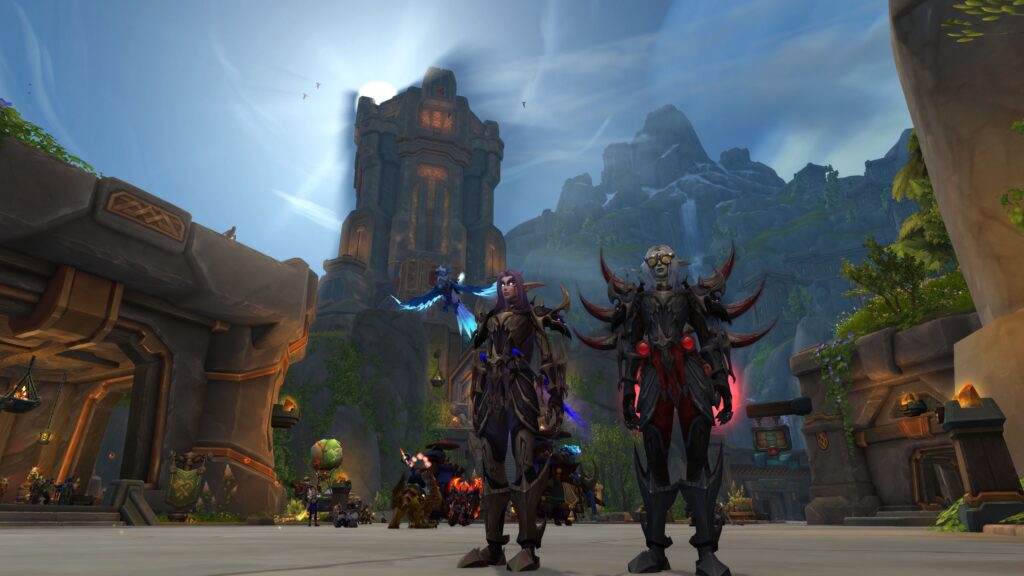
Guilds have played a crucial role in World of Warcraft from the very beginning, and their evolution reflects the changing needs and desires of the player base. Today’s guilds offer a wide range of opportunities for players of all types, from casual to hardcore, and continue to be a vital part of the WoW experience. Whether you’re a new player looking to join a welcoming community or an experienced raider looking for a top-tier team, guilds are the heart of the WoW community, and they will continue to shape the game’s future.
Home