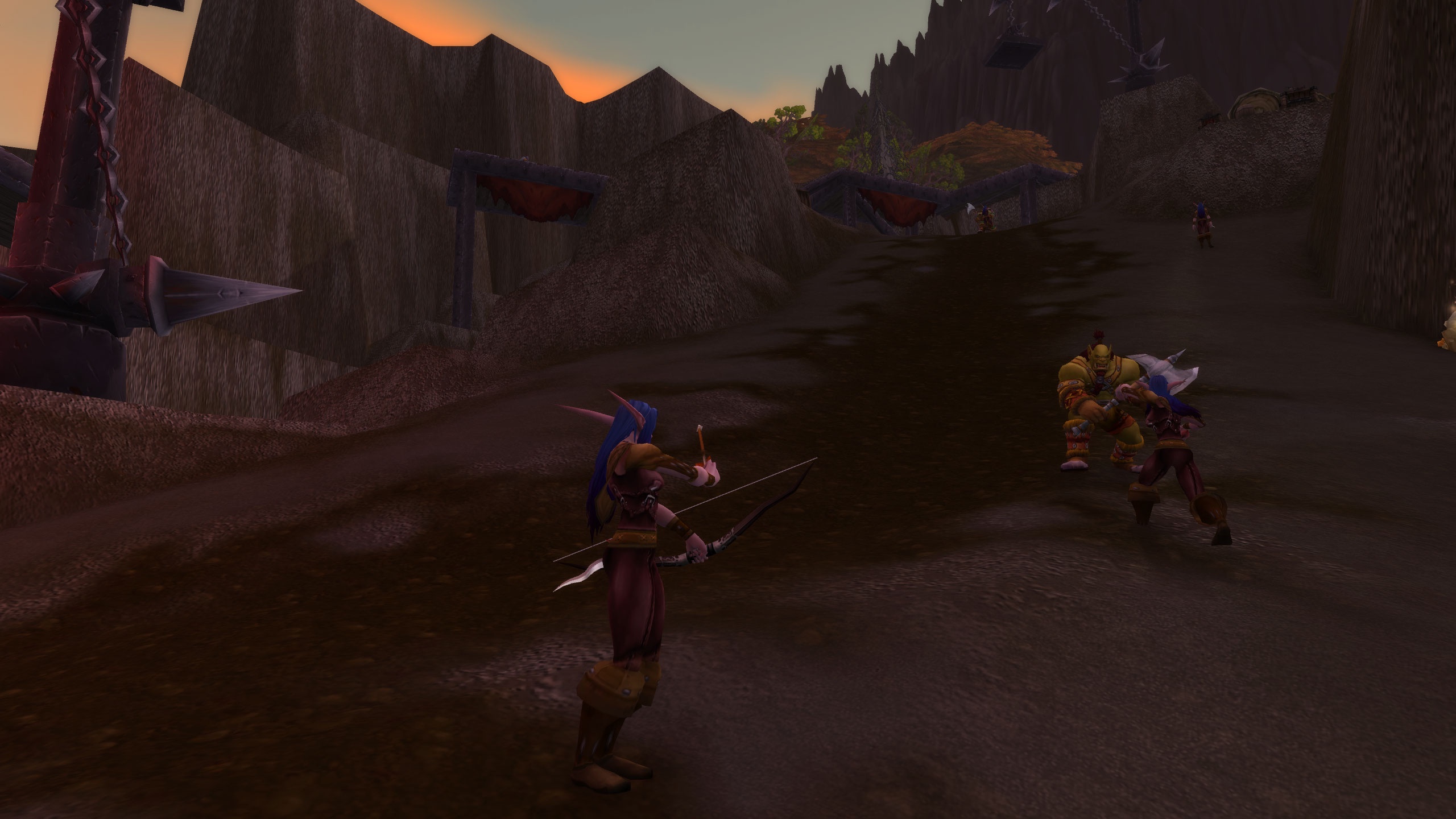
The rivalry between the Horde and the Alliance has been at the heart of World of Warcraft (WoW) since its inception. What began as a straightforward conflict between two factions has evolved into a deeply layered narrative that explores themes of morality, unity, and division. Over the years, Blizzard has crafted a story that transcends simple good versus evil, weaving a tapestry of nuanced characters and events that keep players engaged. Here’s a look at how WoW’s faction war evolved into one of gaming’s most intricate narratives.
The Origins of the Faction War
WoW’s roots in the Warcraft RTS series established the foundational conflict between the Horde and Alliance. This rivalry was built on territorial disputes, cultural differences, and survival instincts.
Key Early Themes:
- Warcraft III: The Horde’s struggle for redemption under Thrall and the Alliance’s efforts to protect Azeroth after the Burning Legion’s invasion.
- Vanilla WoW: Players experienced faction pride through contested zones like Hillsbrad Foothills and battlegrounds such as Warsong Gulch.
- Black-and-White Conflict: Early storytelling framed the factions as opposing forces with clear boundaries.
While compelling, the initial faction war leaned heavily on archetypal conflict, leaving little room for moral ambiguity.
The Shift to Nuance in Wrath of the Lich King
With the release of *Wrath of the Lich King*, the faction war began to take on a more layered approach. Blizzard introduced shades of gray by delving into the motivations and internal conflicts of each faction.
Notable Developments:
- Battle for the Wrathgate: This event highlighted betrayal within the Horde and the devastating consequences of internal strife.
- Cooperation in Icecrown Citadel: Despite ongoing tension, the Horde and Alliance united against the greater threat of the Lich King.
- Character Depth: Figures like Sylvanas Windrunner and Varian Wrynn received complex story arcs that showcased their strengths and flaws.
This shift set the stage for a narrative that explored not only inter-faction conflict but also the internal struggles of each side.
Faction War at Its Peak in Battle for Azeroth
*Battle for Azeroth* (BFA) brought the faction war to the forefront, offering players a story that was both epic and deeply personal. It explored the cost of war and the blurred lines between heroism and villainy.
Key Storylines:
- The Burning of Teldrassil: Sylvanas’s decision to burn Teldrassil divided the Horde and drove the Alliance into a frenzy of vengeance.
- The Siege of Lordaeron: This cinematic battle showcased the lengths both factions would go to for victory.
- Internal Conflict: Characters like Saurfang and Anduin struggled with their roles in the war, questioning the morality of their actions.
BFA painted the faction war as a morally complex narrative, forcing players to grapple with the consequences of their faction’s decisions.
From War to Unity: Shadowlands and Beyond
In recent expansions, the faction war has taken a backseat as greater cosmic threats demand cooperation. *Shadowlands* emphasized unity, with Horde and Alliance working together to confront the Jailer.
Notable Changes:
- Cross-Faction Gameplay: Players can now team up across factions for dungeons, raids, and PvP, reflecting the narrative shift toward unity.
- Shared Goals: Threats like the Burning Legion, Old Gods, and the Jailer require collaboration, diminishing faction divides.
- Evolving Characters: Leaders like Thrall and Jaina Proudmoore advocate for peace, signaling a potential end to the faction war.
This transition highlights WoW’s growth as a narrative-driven game, prioritizing character development and global stakes over faction rivalry.
The Future of the Faction War
As WoW continues to evolve, the future of the faction war remains uncertain. While peace is the current focus, the deep-rooted cultural and historical differences between the Horde and Alliance leave room for future conflicts.
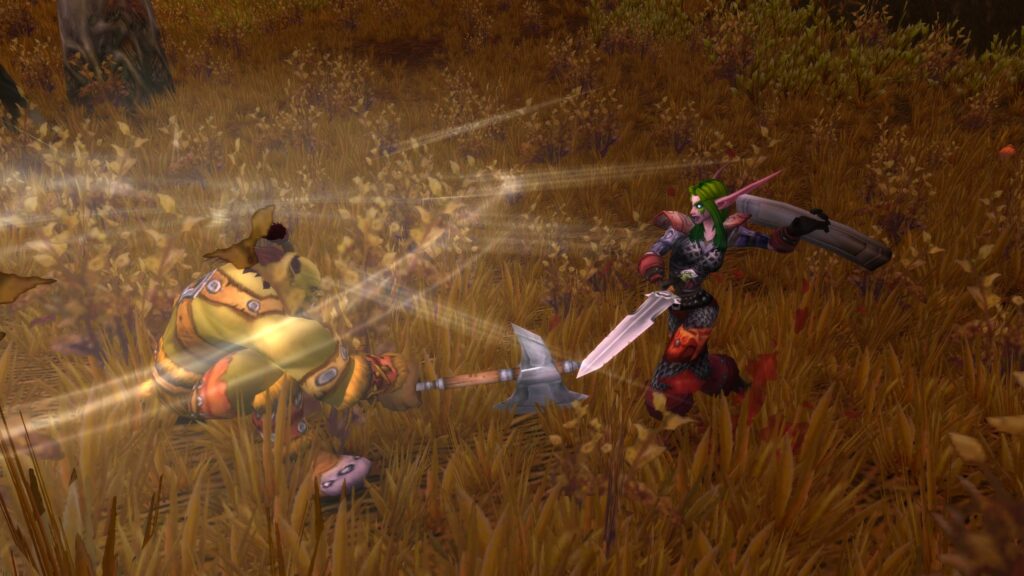
Potential Directions:
- Localized Conflicts: Skirmishes over resources or ideology could reignite tensions without plunging Azeroth into full-scale war.
- Faction Mergers: Blizzard might explore a narrative where factions dissolve into a unified Azerothian force.
- New Alliances: The rise of new races or factions could create fresh dynamics and rivalries.
Whatever direction Blizzard chooses, the faction war will always remain a defining aspect of WoW’s identity.
Conclusion
The faction war in WoW has grown from a simple rivalry into a multifaceted narrative that explores the complexities of war, morality, and unity. Through nuanced storytelling and compelling character arcs, Blizzard has transformed a foundational conflict into one of gaming’s most enduring and dynamic sagas. As players continue to navigate Azeroth’s evolving political landscape, the legacy of the faction war ensures that WoW’s story remains both relevant and deeply engaging.
Home