
To become a master chef in gaming, start by collecting every cooking recipe, venturing from the markets of Dustwallow Marsh to fishing for zesty clam meat. Keep your bag space organized and use the neutral auction house for faction-specific recipes. Networking with fellow chefs and trading recipes are key strategies. Don’t forget to maintain a checklist of your collection. For rare and unique recipes, engage in online forums and explore specialty markets. Mastering cooking requires practicing with new spices and understanding the impact of heat on your dishes. Continue this journey, and you’ll uncover secrets to elevate your culinary game even further.
Key Takeaways
- Gather beloved and challenging recipes to expand your culinary capabilities.
- Utilize neutral auction houses and trade with others to acquire faction-specific and rare recipes.
- Engage with online communities and specialty markets to find unique and lesser-known ingredients.
- Organize your recipe collection digitally with categories and tagging for easy access and updates.
- Experiment with new spices, heat techniques, and balance flavors to master the art of cooking.
Starting Your Culinary Quest
Embarking on your culinary journey begins with gathering a handful of beloved recipes to kickstart your adventure in the kitchen. To enhance your cooking skill, you’ll need to find cooking recipes that challenge and expand your culinary capabilities. A great starting point is seeking out a cooking mentor, who can provide you with a foundational leveling guide. These mentors are often found in locations brimming with culinary potential, such as Dustwallow Marsh.
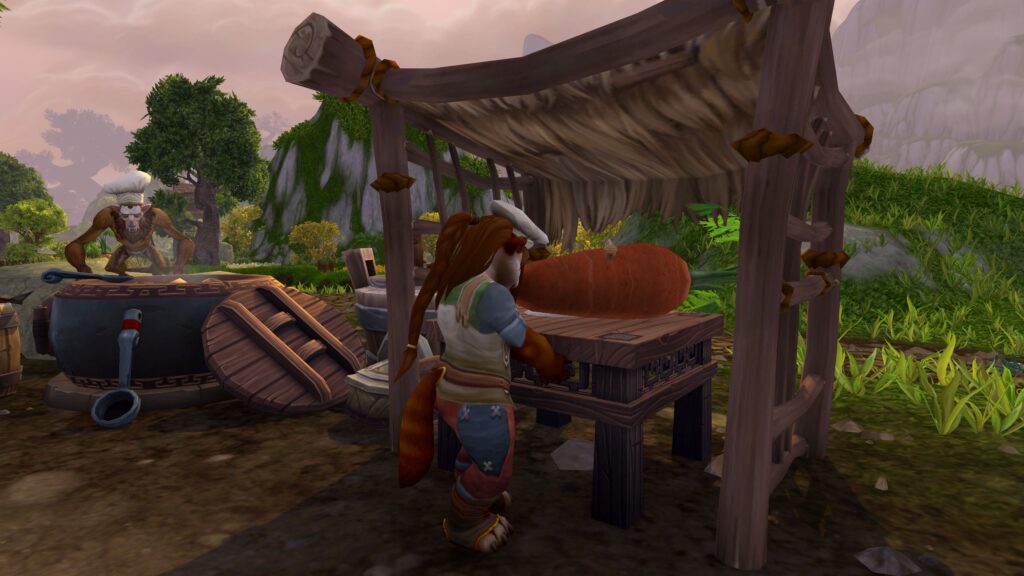
Here, your quest for unique ingredients like sandworm meat and zesty clam meat begins. These components are essential for crafting dishes that not only boost your skill but are also sought after by fellow adventurers for their beneficial effects. To efficiently gather these ingredients, you’ll need to familiarize yourself with the habitats of creatures dropping sandworm meat and the best fishing spots for zesty clam meat.
Essential Tools for Recipe Collecting
After mastering the basics of gathering unique ingredients, it’s time to focus on the tools you’ll need for collecting cooking recipes. As you explore this secondary profession, both Horde and Alliance players must utilize specific strategies to expand their culinary collection efficiently.
First and foremost, a well-organized bank or bag space is essential. You’ll encounter countless recipes, and keeping them sorted can save you a ton of time. Next, accessing the neutral auction house can be a game-changer, especially for recipes that are faction-specific. Horde players can grab recipes typically available only to Alliance players and vice versa, through this cross-faction marketplace.

Furthermore, networking with fellow chefs in your guild or online communities can provide leads on hard-to-find recipes. Don’t underestimate the power of trading with others. To end, keeping a checklist of recipes you’ve collected and those you’re still hunting can keep you focused and prevent any unnecessary duplicates.
Finding Rare and Unique Recipes
Venturing beyond the basics, you’ll find that locating rare and unique recipes requires a keen eye and the right connections. Start by diving into local markets and specialty food stores where lesser-known ingredients often come with stories and, more importantly, recipes passed down through generations. Don’t shy away from striking up conversations with vendors; their insights could lead you to culinary treasures that aren’t found in any cookbook.
Online forums and social media groups dedicated to cooking enthusiasts are goldmines for rare recipes. Members often share their most guarded cooking secrets, offering you a chance to add exclusive dishes to your repertoire. Remember, the key here is participation and exchange; sharing a few of your rare finds could open the door to receiving even more.

Travel, whether virtual or physical, is another avenue to explore. Many regions have unique culinary traditions that haven’t made it onto the global stage. Engaging with local communities online or visiting these places can uncover recipes that you’d never find otherwise.
Lastly, antique stores and estate sales can be unexpected sources for finding old cookbooks with forgotten recipes. It’s a bit like treasure hunting; you never know when you’ll stumble upon a culinary gem hidden amongst the shelves.
Organizing Your Recipe Collection
Once you’ve gathered a diverse array of cooking recipes, it’s crucial to develop an effective system for organizing them to make sure they’re always at your fingertips when needed. Start by categorizing your recipes into different types, such as appetizers, main courses, desserts, and beverages. This way, you’ll be able to find what you’re looking for quickly, especially when planning a meal or searching for a specific dish.
Consider using digital tools or apps designed for recipe organization. These platforms often offer features like tagging, which allows you to add keywords to each recipe for even easier retrieval. You can tag recipes by ingredient, cuisine type, cooking method, or any other criteria that make sense to you.

Don’t forget to create a special section for those rare and unique recipes you’ve worked so hard to find. By keeping them in a designated spot, you’ll make sure they don’t get lost in the shuffle and are easy to show off or share with friends and family.
Lastly, regularly update your collection. As you try new recipes and discover what works and what doesn’t, make notes and adjustments. This ongoing process will not only keep your collection organized but also tailored to your evolving tastes and cooking skills.
Mastering the Art of Cooking
Mastering the art of cooking isn’t just about following recipes; it’s about understanding the flavors, techniques, and creativity that transform ingredients into a culinary masterpiece. You’re not just combining items; you’re invoking a symphony of tastes, each note playing its part to create something unforgettable. It’s akin to strategizing in a complex video game, where every move is pivotal, and every ingredient plays a critical role in the final outcome.
To truly master the art of cooking, consider:
- Experimenting with spices: Just as you’d experiment with different strategies in a game, don’t be afraid to mix and match spices to discover new flavor profiles.
- Understanding heat: Knowing when to simmer or bring to a boil can make or break a dish, much like choosing the right moment to attack or defend in gameplay.
- Balancing flavors: Achieving the perfect balance between sweet, sour, bitter, and salty can elevate your cooking, similar to finding the right balance between offense and defense in a game.
- Practice, practice, practice: Just as mastery in games comes from repetition, so does skill in cooking. Keep trying new techniques and recipes to refine your culinary prowess.
Frequently Asked Questions
How Can I Adapt Recipes to Accommodate Dietary Restrictions or Allergies Without Compromising the Integrity of the Dish?
You can adapt recipes for dietary restrictions by substituting ingredients that maintain the dish’s flavor and texture. It’s about finding balance, ensuring you’re not losing the essence while accommodating health needs or preferences.
What Are Some Strategies for Preserving the Authenticity of International Recipes When Ingredients Are Hard to Find Locally?
You’re looking to keep international recipes authentic, even when ingredients are scarce. Try substituting with similar flavors or sourcing from ethnic markets. Don’t forget, sometimes online stores are your best bet for rare finds.
How Can I Incorporate Modern Cooking Techniques, Like Sous Vide or Molecular Gastronomy, Into Traditional Recipes?
To incorporate modern techniques like sous vide into traditional recipes, you’ll need to experiment. Start with adjusting cooking times and temperatures. It’ll refresh those classics while keeping their essence. It’s all about balance and creativity.
What Are the Best Ways to Engage With and Learn From Communities or Cultures That Are the Origin of the Recipes I’m Collecting?
To immerse yourself in the cultures behind the recipes you’re collecting, you should participate in local cooking classes, engage in food festivals, and connect with local chefs or food enthusiasts through social media or community events.
How Can Technology, Apps, or Online Platforms Enhance the Process of Collecting, Organizing, and Sharing Cooking Recipes?
You can use apps and online platforms to easily collect, organize, and share recipes. They offer features like tagging, sharing, and community feedback to enhance your culinary journey and keep everything at your fingertips.